
Why More Contractors Are Switching to Hydro Excavation Services
Construction and utility projects continue to evolve as contractors look for safer, more efficient, and more precise ways to work around underground infrastructure. Traditional mechanical digging methods have long been the standard, but they come with limitations that can slow projects down, increase risk, and raise overall costs. As job sites become more congested with utilities and regulatory expectations grow, many contractors are rethinking how excavation work is performed.
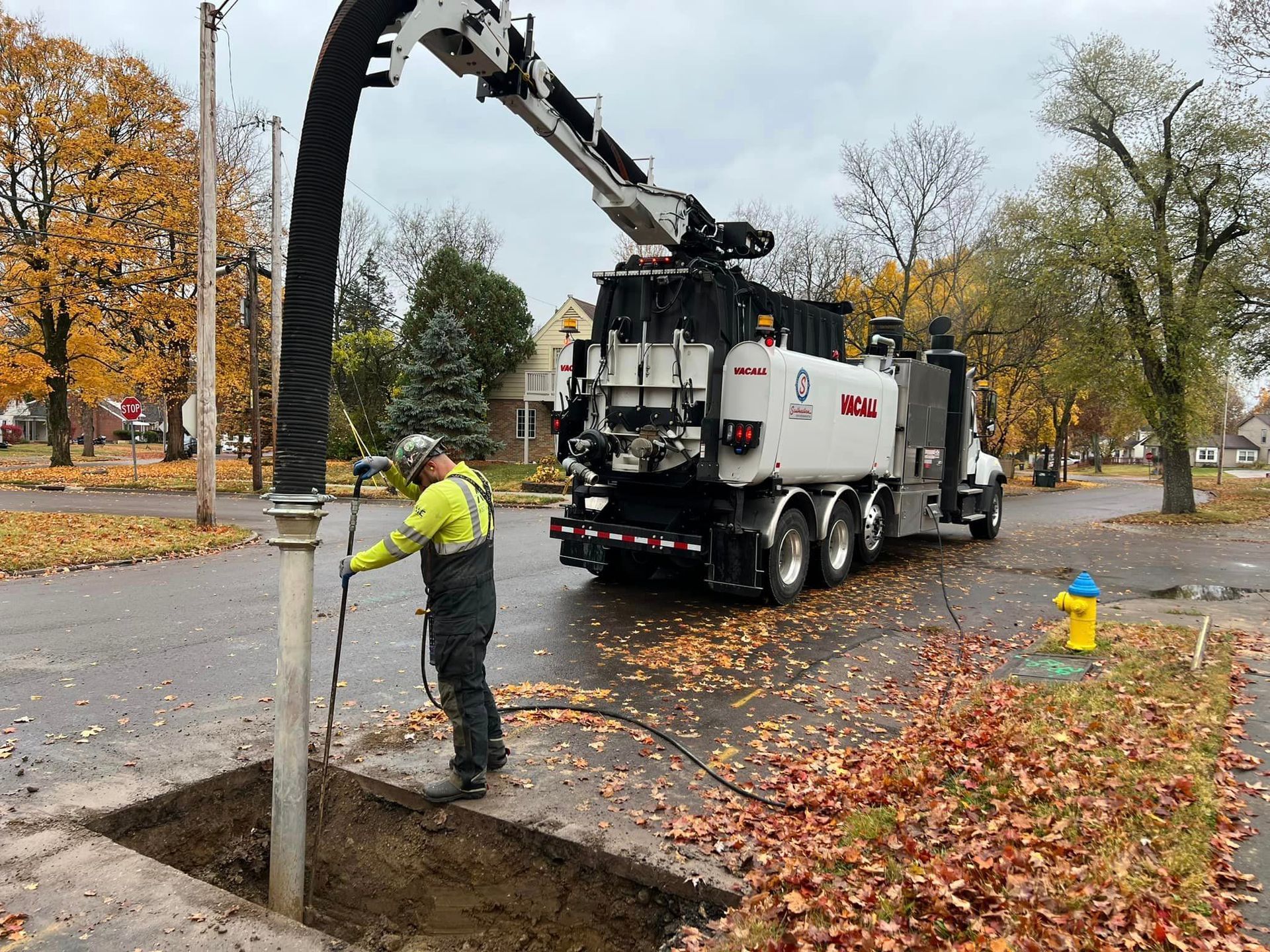
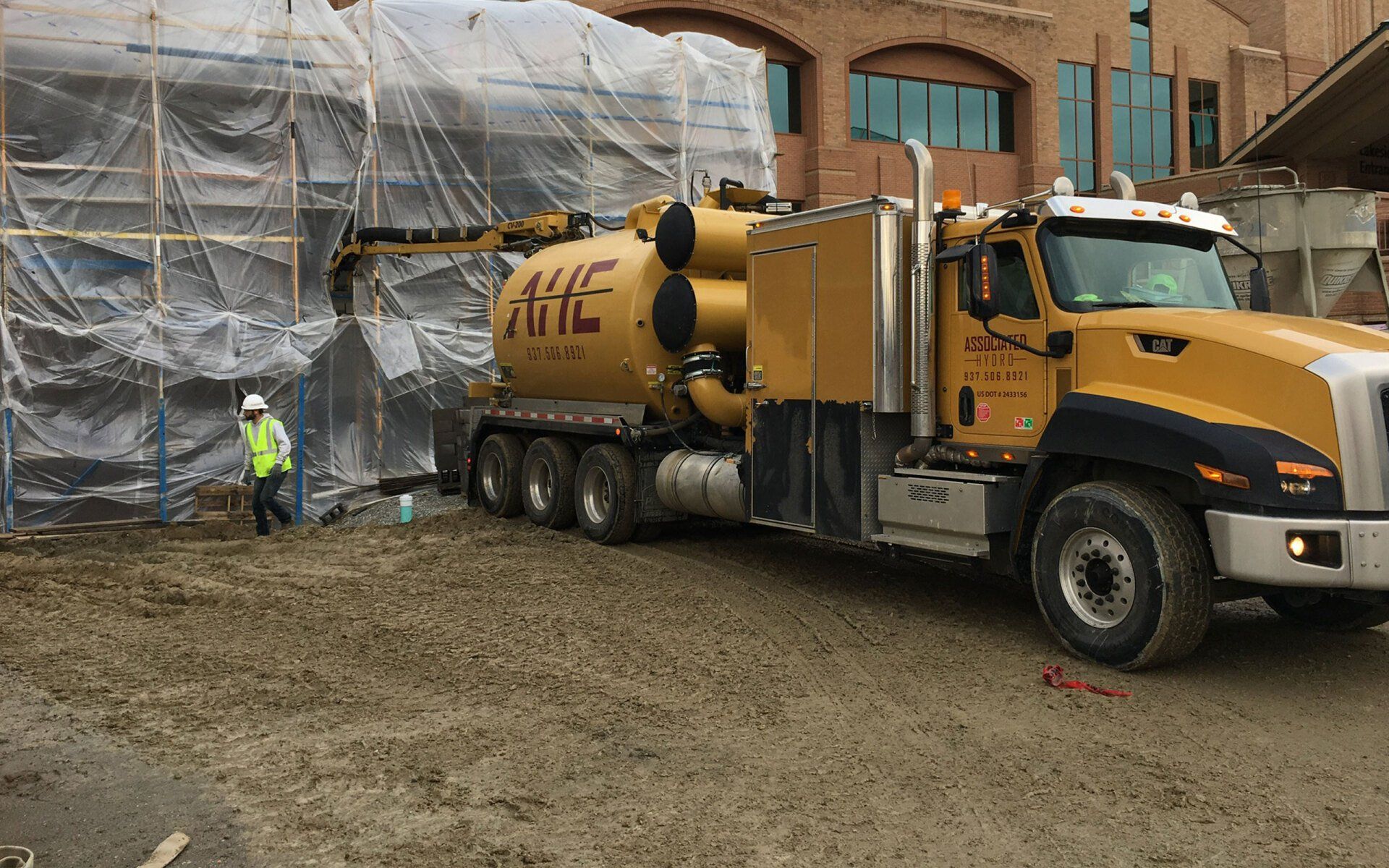
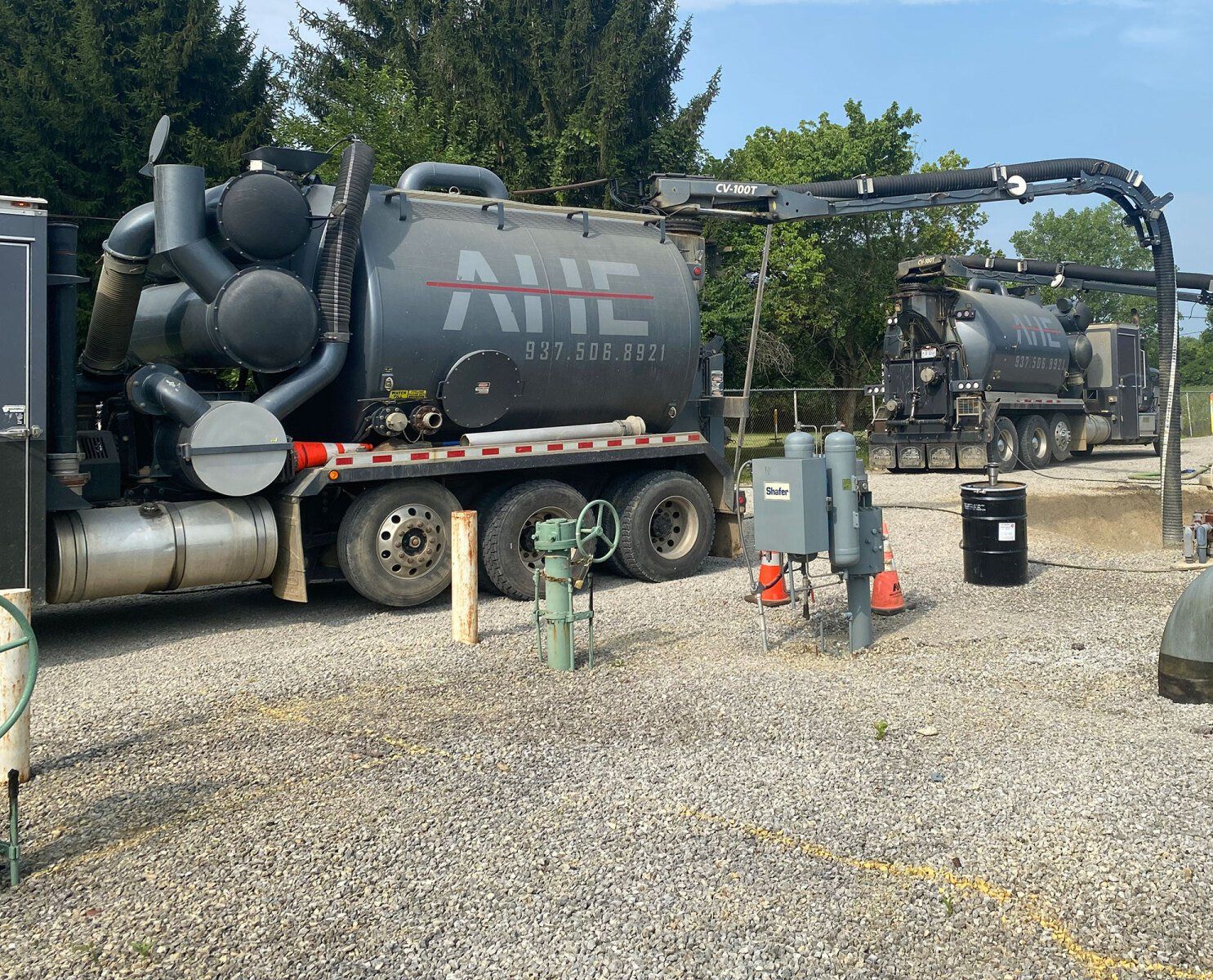
Hydro excavation has emerged as a modern alternative that aligns with these changing demands. By using pressurized water and a powerful vacuum system, this method allows crews to remove soil accurately without disturbing surrounding structures. The result is a cleaner, safer, and more controlled excavation process that fits well with today's construction standards. In this article, we'll explore why more contractors are switching to hydro excavation services and how this approach is reshaping excavation practices across industries.
Reduced Risk of Underground Utility Damage
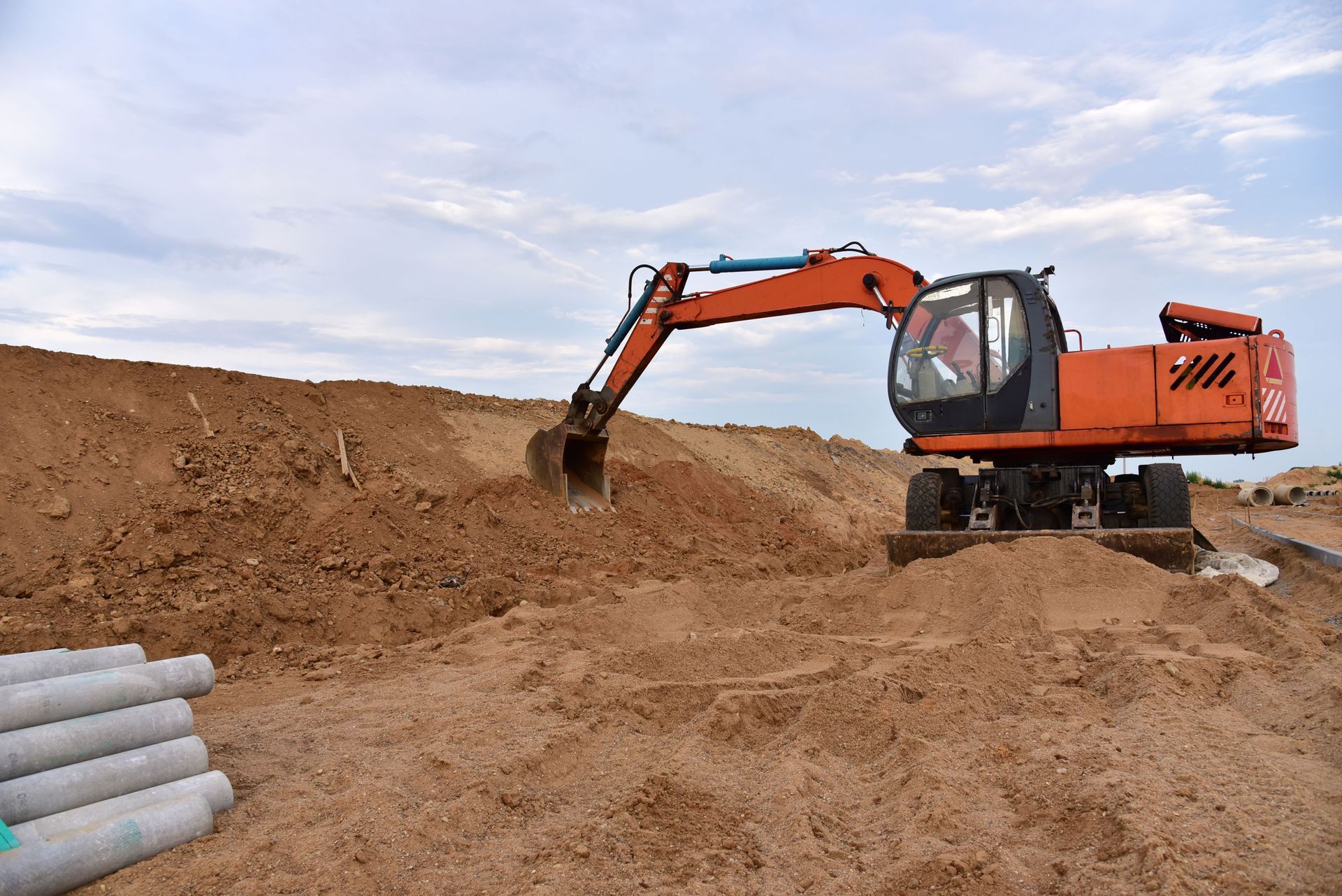
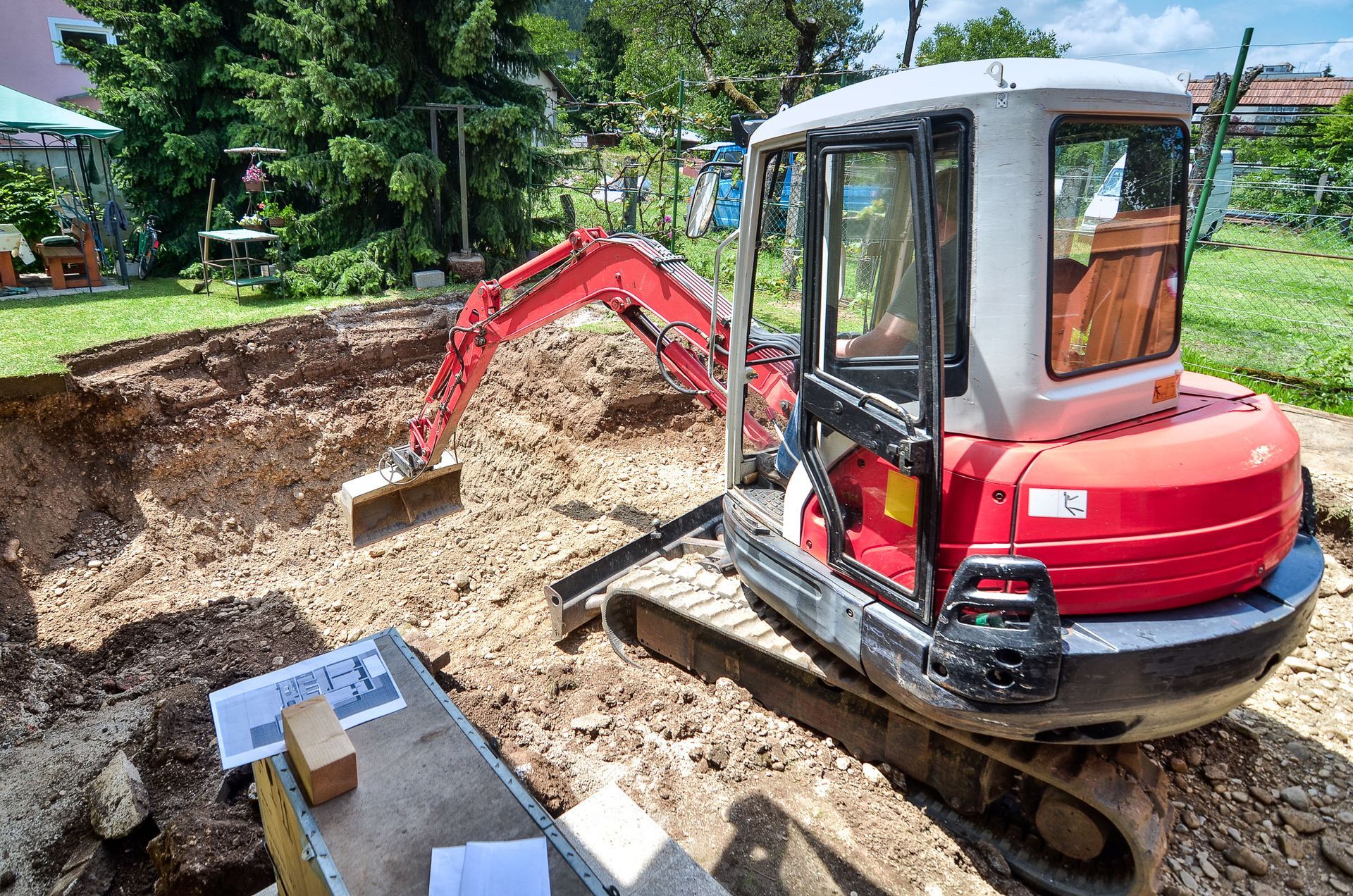
One of the main reasons contractors are moving away from mechanical digging is the risk of damaging underground utilities. Traditional excavation methods rely on metal buckets, blades, and teeth that can easily strike buried gas lines, water pipes, fiber optics, or electrical cables. Even a small mistake can result in service outages, repair costs, and safety hazards.
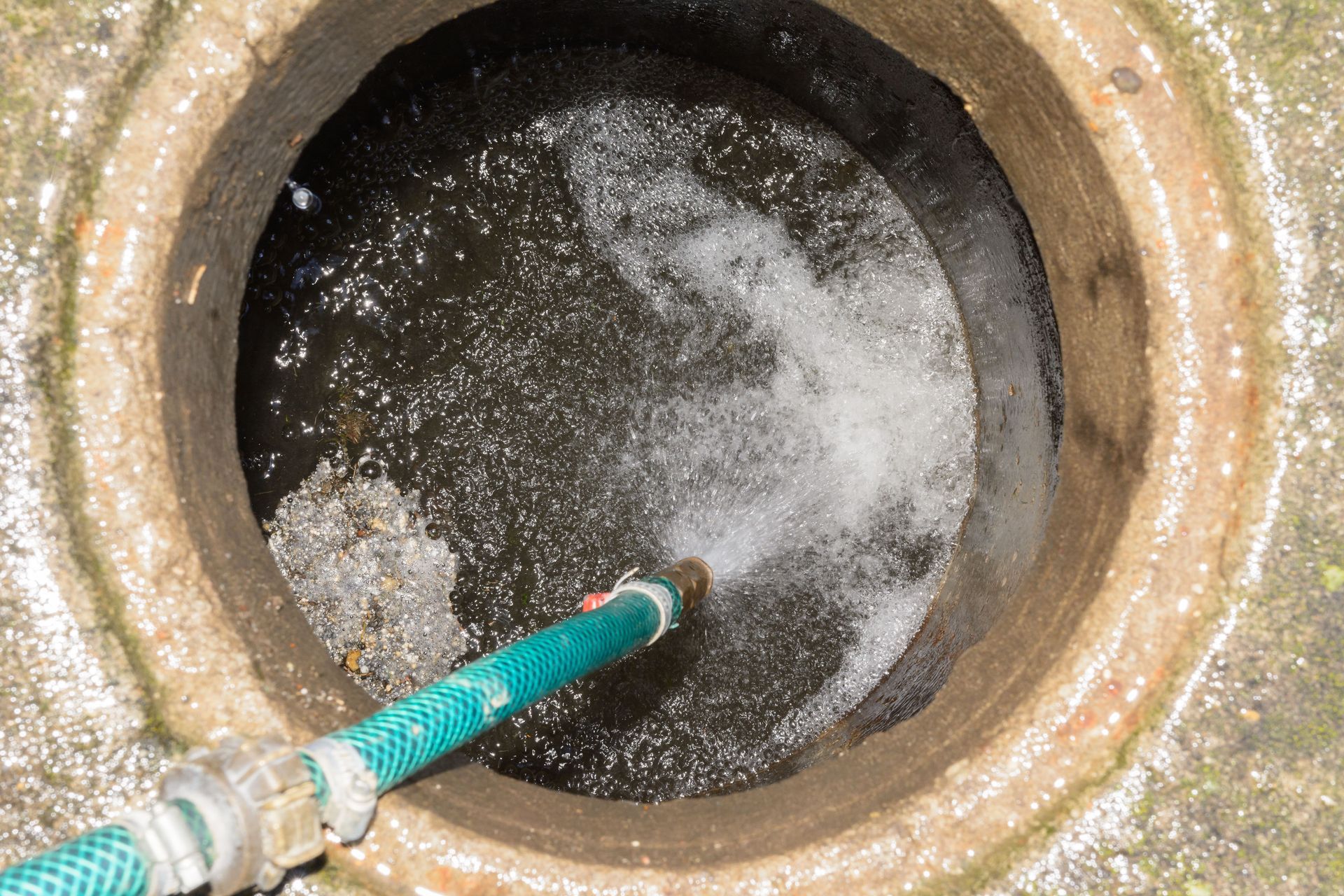
Hydro excavation significantly reduces this risk by using water to loosen soil instead of force. Operators can carefully expose utilities without direct contact, making it easier to identify and work around them. This level of precision helps contractors avoid costly utility strikes and maintain compliance with safety regulations.
Improved Job Site Safety
Safety remains a top priority on construction sites, and excavation work presents unique challenges. Mechanical digging can lead to unstable trenches, flying debris, and increased exposure to hazardous conditions. These risks affect not only operators but also nearby workers and pedestrians.
Hydro excavation improves job site safety by offering a controlled excavation process. The non-destructive nature of water-based digging reduces the likelihood of cave-ins and accidental strikes. Crews can maintain safer distances from excavation points, and the overall work environment becomes more predictable and manageable.
Greater Precision for Sensitive Projects
Many modern construction projects require a high level of accuracy, especially when working near existing infrastructure. Whether installing new utility lines, performing daylighting operations, or completing repairs, precision is critical.
Hydro excavation allows contractors to remove soil in targeted areas without over-excavating. This precision supports cleaner trench profiles and minimizes unnecessary disruption. For projects that demand exact placement and careful exposure, this method offers a clear advantage over traditional equipment.
Increased Efficiency in Congested Areas
Urban environments and developed job sites often present space constraints that make mechanical excavation difficult. Large machinery may not fit easily into tight areas, and maneuvering equipment around obstacles can slow progress.
Hydro excavation equipment is well-suited for congested spaces. Hoses can reach excavation points that traditional machines cannot, allowing work to continue without extensive site modification. This flexibility helps contractors maintain productivity even in challenging environments.
Lower Restoration and Repair Costs
Excavation does not end when soil is removed. Restoring the site afterward can account for a significant portion of project costs. Mechanical digging often disturbs surrounding soil, pavement, and landscaping, increasing the scope of restoration work.
Because hydro excavation removes only the necessary amount of soil, surrounding areas remain largely intact. This reduced disturbance leads to lower backfill requirements and less surface repair. Contractors can complete projects with fewer restoration expenses and a cleaner final result.
Better Performance in Cold Weather Conditions
Cold weather presents challenges for traditional excavation methods, especially in regions where frozen ground is common. Mechanical digging through frozen soil can be slow, labor-intensive, and damaging to equipment.
Hydro excavation performs well in cold conditions when heated water is used. The pressurized water can cut through frozen ground efficiently, allowing projects to continue year-round. This capability helps contractors maintain schedules and avoid seasonal delays.
Enhanced Environmental Control
Environmental considerations play a growing role in construction planning. Excessive soil disturbance can lead to erosion, sediment runoff, and environmental compliance issues.
Hydro excavation offers greater environmental control by limiting soil displacement. Excavated material is immediately vacuumed into a debris tank, reducing the spread of sediment. This controlled process supports cleaner job sites and helps contractors meet environmental standards more easily.
Support for Regulatory Compliance
Regulatory requirements around excavation, especially near utilities, continue to increase. Contractors are often required to use non-destructive methods when working in sensitive areas to reduce the risk of damage and injury.
Hydro excavation aligns well with these regulations. Its controlled approach supports compliance with safety and utility protection guidelines. Using hydro excavation services can also demonstrate due diligence when working near critical infrastructure.
Long-Term Cost Savings
While hydro excavation may appear more specialized than traditional methods, many contractors find that it delivers long-term cost savings. Reduced utility damage, fewer delays, and lower restoration costs all contribute to better project economics.
Avoiding unplanned repairs and downtime helps projects stay on budget. Over time, these savings can outweigh initial equipment or service costs, making hydro excavation a financially sound choice for many contractors.
Growing Industry Adoption and Market Growth
The increasing adoption of non-destructive digging reflects broader industry trends. According to Global Growth Insights, the non-destructive digging (NDD) service market is projected to reach $6.38 billion in 2025 and grow to $9.42 billion by 2033. This growth highlights how widely hydro excavation and similar methods are being embraced across construction, utilities, and infrastructure sectors.
As more contractors experience the benefits firsthand, demand for hydro excavation services continues to rise. This growth reinforces the method's role as a modern standard rather than a niche solution.
Versatility Across Multiple Applications
Hydro excavation is not limited to one type of project. Contractors use it for utility installation, pole and sign placement, pipeline maintenance, trenching, and daylighting. Its adaptability makes it a valuable tool across a wide range of industries.
This versatility allows contractors to standardize excavation practices across projects. Instead of switching methods depending on the task, crews can rely on a consistent approach that delivers reliable results.
Improved Project Timelines
Project delays can impact budgets, client satisfaction, and overall profitability. Mechanical excavation setbacks caused by utility strikes, equipment issues, or weather conditions can quickly derail schedules.
Hydro excavation helps keep projects on track by reducing unexpected interruptions. Faster utility exposure, fewer repairs, and year-round usability contribute to smoother project timelines. Contractors can plan more accurately and deliver results on schedule.
Professional Image and Client Confidence
Clients increasingly value contractors who use modern, responsible methods. Choosing hydro excavation demonstrates a commitment to safety, precision, and efficiency.
This professional approach can improve client confidence and support stronger business relationships. Contractors who adopt hydro excavation services often find it enhances their reputation in competitive markets.
The shift toward hydro excavation reflects the construction industry's broader focus on safety, efficiency, and precision. By reducing utility damage, improving job site conditions, and lowering long-term costs, hydro excavation addresses many of the challenges associated with traditional digging methods. Its adaptability across environments and applications makes it an attractive option for contractors seeking reliable excavation solutions.
As market growth continues and expectations rise, hydro excavation services are becoming an essential part of modern construction practices. Contractors who adopt this method position themselves to meet current demands while preparing for future project requirements. If you're evaluating excavation options for upcoming work, partnering with a provider that offers professional hydro excavation services can help you complete projects safely, efficiently, and with greater confidence. Reach out to our team at Associated Hydro Excavating today!



Share On: