
What to Expect When Securing a Hydro Excavator for Your Construction Project
Construction projects often involve underground infrastructure that must be protected throughout the excavation process. Whether the work includes installing utilities, repairing existing lines, or preparing a site for development, choosing the right excavation method helps reduce delays, control costs, and maintain a safer work environment. Understanding what to expect before scheduling a hydro excavator can help project owners and contractors make informed decisions from the start.
Hydro excavation uses pressurized water and a powerful vacuum system to loosen and remove soil without relying on mechanical digging alone. This approach makes it possible to expose buried utilities with exceptional precision while minimizing unnecessary disturbance to the surrounding area. Before beginning your project, it is helpful to understand how the process works, what services are commonly provided, and how experienced excavation professionals prepare for each job.
Understanding How Hydro Excavation Fits Your Project
Why Hydro Excavation Is Different
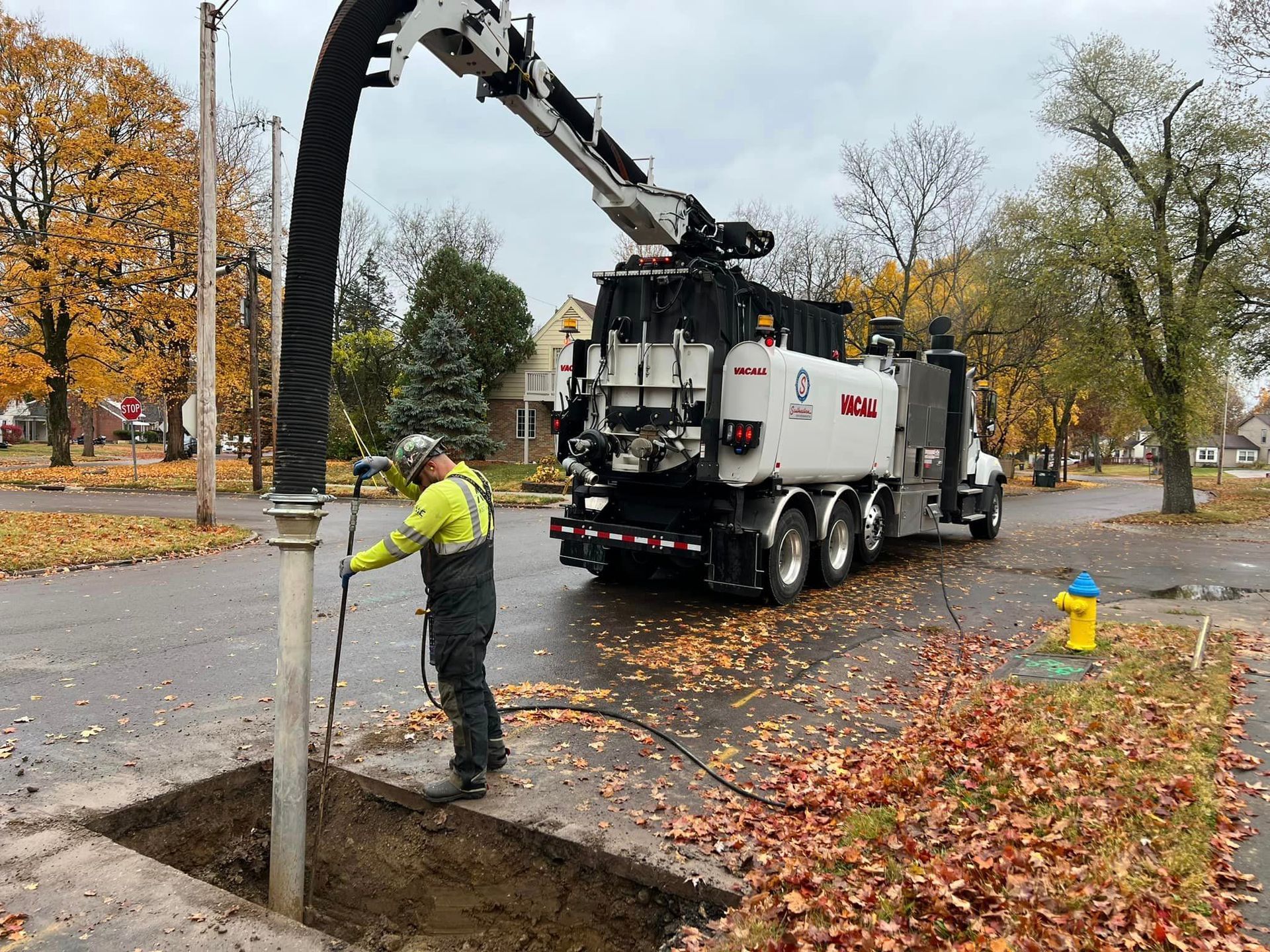
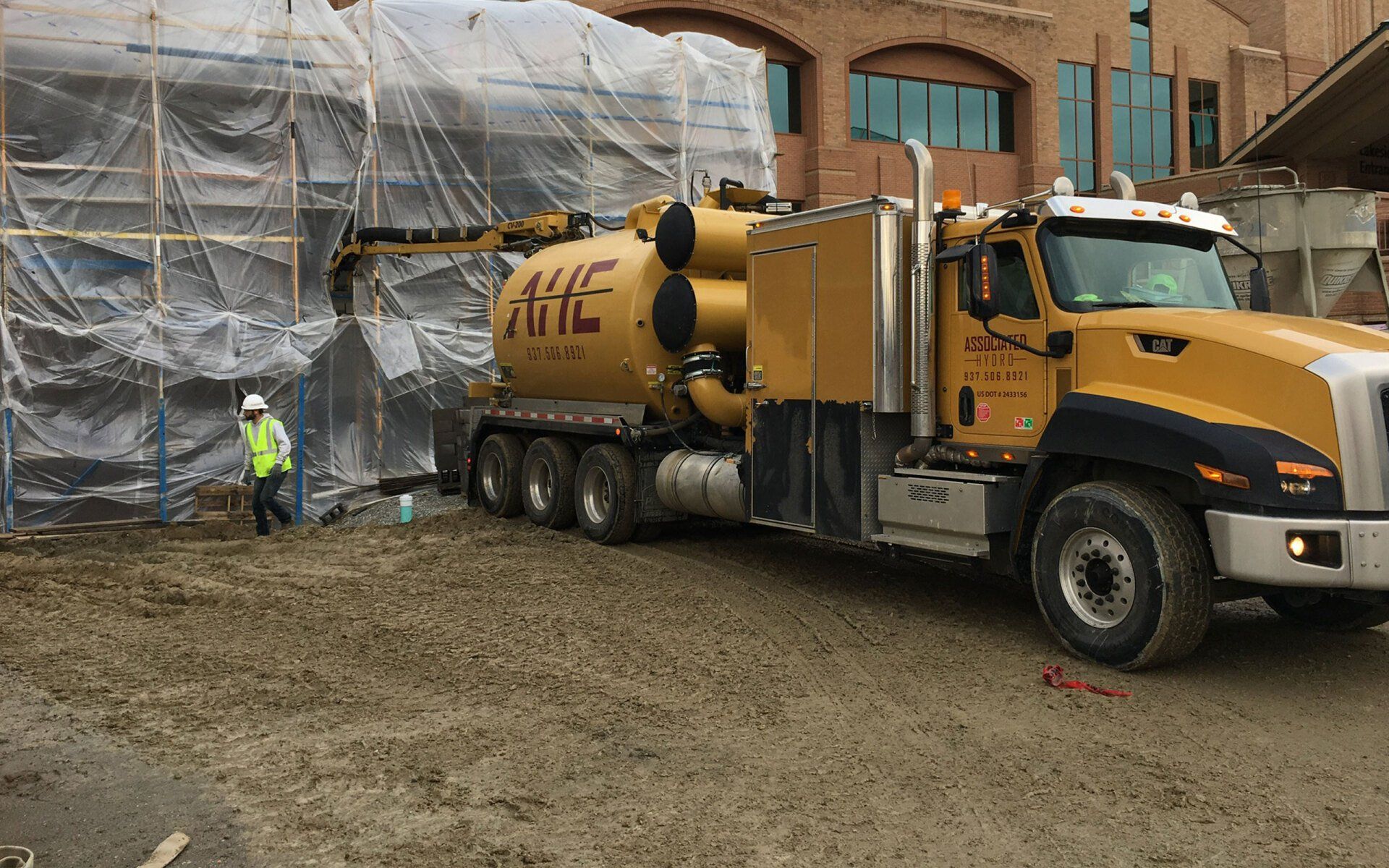
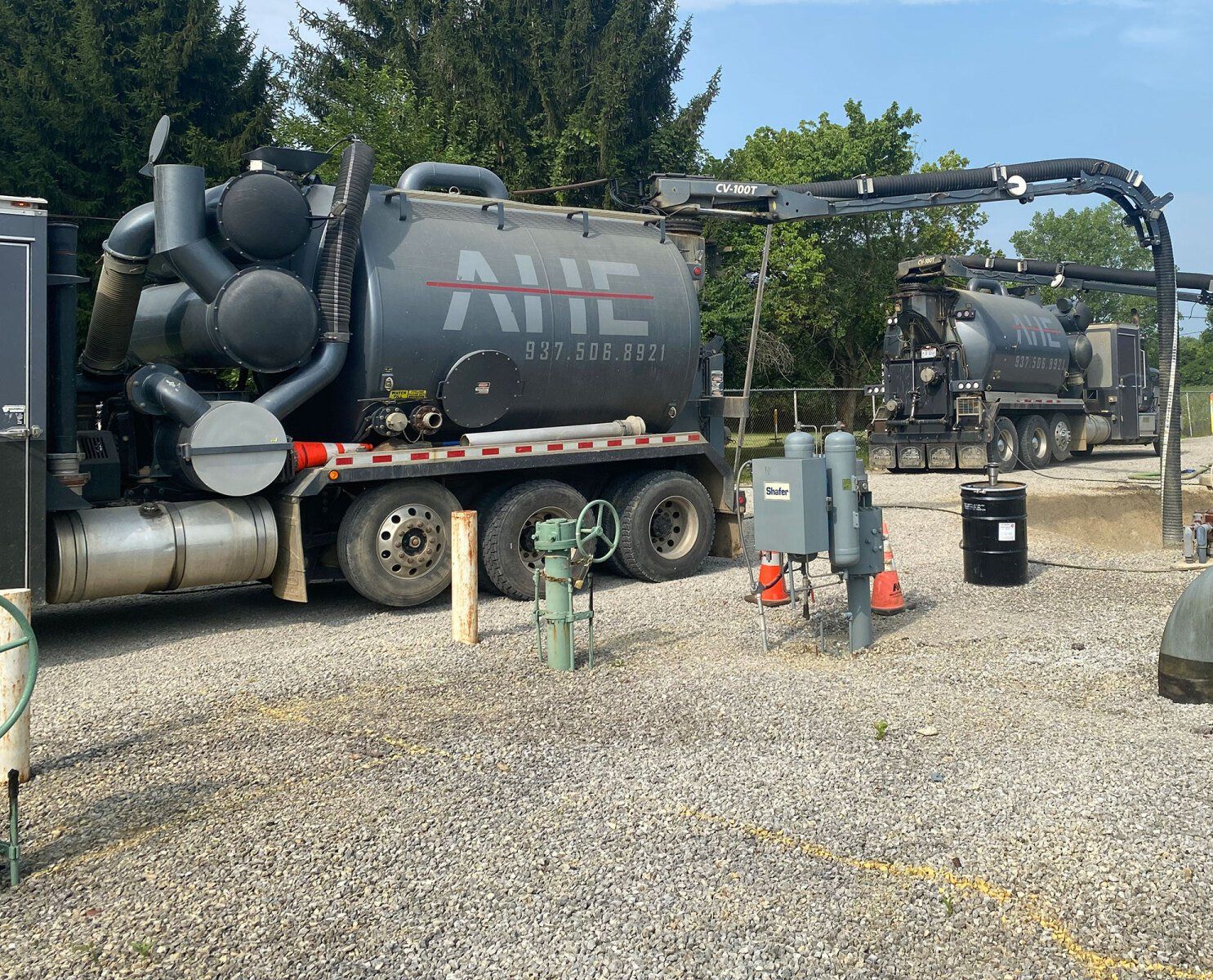
Unlike conventional excavation methods that use buckets, blades, or other mechanical equipment to remove earth, hydro excavation combines high-pressure water with an industrial vacuum system. The water breaks apart the soil while the vacuum immediately removes the resulting slurry into a debris tank. This controlled process allows excavation crews to uncover underground infrastructure while reducing the likelihood of disturbing nearby utilities or surrounding surfaces.
Because the excavation is highly targeted, contractors often recommend this approach for projects where precision matters. A hydro excavator is commonly selected when crews need to expose electrical lines, communication cables, water mains, sewer systems, or gas lines before additional construction begins. The ability to remove only the necessary amount of soil also simplifies restoration after excavation is complete.
Common Applications for Construction Projects
Hydro excavation supports a wide variety of commercial, industrial, municipal, and utility projects. Contractors frequently use this method when creating potholes to verify utility locations before major excavation begins. It is also an effective solution for trenching, digging pole holes, creating piling holes, and preparing service repair pits without unnecessarily disturbing nearby infrastructure.
Many construction projects involve working around existing underground systems that cannot be relocated or damaged. A hydro excavator allows crews to carefully expose these utilities before additional work proceeds. This reduces uncertainty during construction and helps project managers coordinate multiple phases of work more efficiently.
Working in Challenging Site Conditions
Every construction site presents unique conditions that influence excavation planning. Some properties contain clay soils, while others include compacted dirt, frozen ground, or limited access areas. Hydro excavation remains effective across many of these environments because pressurized water can gradually loosen difficult soil while the vacuum system continuously removes material from the work area.
Sites with restricted working space also benefit from this excavation method. Since equipment can often remain a safe distance from the exact excavation point while hoses perform the digging, contractors may have greater flexibility when working near buildings, roadways, utilities, or other structures. This adaptability allows excavation to continue in areas where larger mechanical equipment could create additional challenges.
Knowing What Happens Before Excavation Begins
Site Evaluation and Project Planning
Before excavation starts, experienced contractors typically evaluate the project location to determine the safest and most efficient approach. This planning stage includes reviewing project drawings, identifying existing underground utilities, assessing soil conditions, and determining the excavation depth and dimensions required for the work.
The contractor may also coordinate with utility locating services and other project stakeholders before excavation begins. Careful preparation allows the excavation crew to anticipate potential challenges and develop an efficient work plan that minimizes unnecessary interruptions throughout the project.
Safety Measures Throughout the Process
Safety remains one of the primary reasons many contractors select hydro excavation over traditional digging methods. According to WifiTalents, hydro excavation lowers workplace injuries associated with manual digging by 75%, highlighting a significant safety benefit compared with conventional excavation techniques. This advantage makes the method especially valuable for projects involving congested underground utility corridors or sensitive infrastructure.
In addition to protecting workers, hydro excavation helps reduce accidental utility strikes that could interrupt service or create hazardous conditions. Professional crews follow established safety procedures throughout the excavation process, carefully monitoring the work area while maintaining controlled excavation around buried infrastructure. Using a qualified hydro excavator also means the equipment is operated by trained personnel who understand how to perform precise excavation under varying site conditions.
Clean Excavation and Efficient Site Management
One noticeable difference during hydro excavation is the overall cleanliness of the work area. Rather than piling excavated soil beside the trench or excavation zone, the loosened material is collected directly into a debris tank. This helps keep the area more organized while reducing excess soil around active construction operations.
Removing material as excavation progresses can also improve accessibility for other trades working on the project. Once underground utilities have been exposed or repairs completed, contractors can move forward with restoration more efficiently because the excavation remains confined to the required area instead of creating widespread ground disturbance.
Choosing the Right Contractor for the Job
Experience Makes a Difference
Although hydro excavation equipment is highly specialized, successful results depend heavily on the experience of the crew operating it. Construction projects often involve changing soil conditions, unexpected underground obstacles, and varying utility layouts that require careful judgment throughout the excavation process.
Experienced contractors understand how to adjust water pressure, vacuum operation, and excavation techniques based on project conditions. They also recognize when hydro excavation should be combined with traditional excavation methods to complete larger site development work efficiently while maintaining precision around sensitive underground infrastructure.
Services Beyond Utility Exposure
Many excavation contractors offer more than hydro excavation alone. Depending on the project's requirements, services may include site development, water and sewer line installation, storm pipe installation, concrete work, fence installation, and traditional excavation. Working with a contractor capable of performing multiple construction services can simplify project coordination by reducing the number of subcontractors involved.
A qualified hydro excavator provider can also assist projects across numerous industries, including oil and gas, utilities, transportation, engineering, industrial construction, and power infrastructure. Their familiarity with different project types allows them to adapt excavation techniques to meet specific construction requirements while maintaining consistent quality.
Preparing for a Successful Excavation Project
Once you have selected an excavation contractor, communication becomes an important part of the project's success. Providing accurate site information, project timelines, and construction objectives allows the excavation team to prepare the appropriate equipment and coordinate scheduling with other phases of construction. Early planning also helps avoid unnecessary delays once work begins.
Whether the project involves exposing underground utilities, preparing trenches, installing infrastructure, or supporting larger site development efforts, choosing an experienced contractor and the appropriate hydro excavator helps establish a smoother construction process. Careful planning, precise excavation, and attention to safety all contribute to keeping projects moving efficiently while protecting valuable underground infrastructure.
Construction projects depend on accurate excavation from the very beginning. By understanding how hydro excavation works and what to expect throughout the process, property owners, developers, and contractors can make better decisions that support both safety and productivity. When performed by experienced professionals, a hydro excavator provides the precision and control needed to complete challenging excavation work with minimal disruption to the surrounding site.
If you're preparing for a construction project and need precise, dependable excavation services, contact Associated Hydro Excavating today to schedule a consultation and receive a free estimate.





Share On: